

Paid vs. Organic Balancing Act: How Destinations Can Win with Both
Introduction
Many companies choose to invest in either organic marketing or paid social media. But what if leveraging both approaches together could place your content in front of more people and lead to stronger conversions?
Investing in both paid and organic digital marketing strengthens your entire digital presence. It supports your current audience, those who already know and follow your brand, while intentionally reaching prospective audiences you’re trying to attract. When used together, these strategies don’t compete; they compound.

Understanding Paid vs. Organic
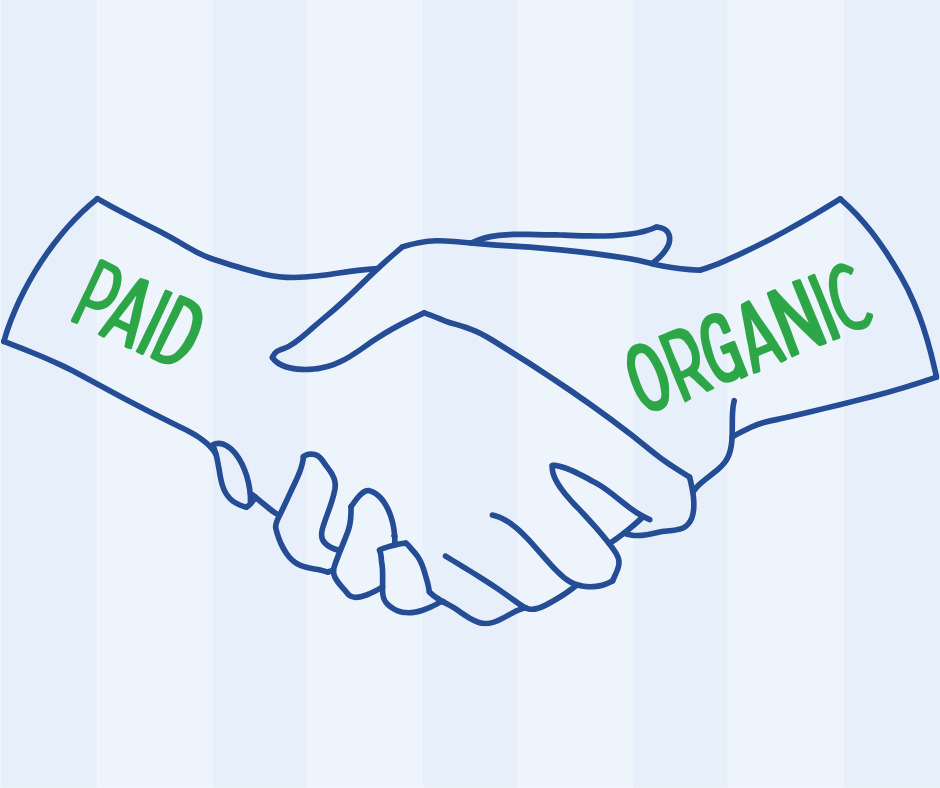
The terms “organic” and “paid” are often used without explanation, which can create confusion for those outside the marketing field. Clearly understanding the distinction is essential, especially when helping leadership and stakeholders see why both are critical to a well-rounded digital strategy.
Organic posts are unpaid content shared on social platforms to build relationships, increase brand awareness, and engage audiences over time. Paid media, on the other hand, is sponsored content and advertising designed to reach target audiences and drive specific, measurable results.
A simple way to think about it: organic content mirrors what you might share on your own social media to connect and communicate. Paid media reflects the ads you see in your feed, strategically placed to reach the right people at the right time.
Key Differences
While paid and organic content may look similar on the surface, there are important differences to understand.
Reach is the most immediate distinction. Organic posts rely on platform algorithms to reach existing followers and limited extended networks. Strong-performing content may receive additional algorithmic distribution, but paid media is designed to go further. Paid campaigns intentionally extend reach beyond your current audience to new, highly relevant users based on selected targeting criteria.
Targeting is another major differentiator. Organic content is published broadly with little control over who ultimately sees it. Paid media allows for precise targeting using demographics, interests, behaviors, and locations. This research-driven approach ensures content appears in front of audiences most likely to engage or convert.
Cost also separates the two. Organic posting requires no media spend beyond the time and resources needed to create the content. Paid media budgets vary depending on reach, targeting, and objectives, but that investment buys scale, data, and control.
Effort overlaps but is not equal. Both approaches require strong visuals and thoughtful copy. Organic efforts focus on content creation, posting, and community engagement. Paid media includes all of that plus audience setup, campaign management, optimization, and detailed reporting.
Finally, analytics set paid media apart. Organic insights provide high-level performance indicators such as reach and engagement. Paid media delivers deeper, customizable data including audience insights, conversion tracking, and performance metrics that directly tie results to spend.
Together, these differences explain why relying on only one limits your overall impact.
Why Both Matter
Paid and organic content each play a critical role in a successful social media strategy.
Organic content builds trust. It feels authentic; sharing stories, reviews, behind-the-scenes moments, and local highlights that foster real connections. Think of organic content like watering your garden: you’re nurturing the audience you already have.
Paid media drives growth. Strategic advertising expands reach, introduces your brand to new audiences, retargets website visitors, and supports measurable outcomes like bookings or inquiries. This is fertilizer, accelerating growth and extending your reach beyond what organic alone can accomplish.
One without the other creates imbalance. Together, they create momentum.
Balancing Paid & Organic: Best Practices
Using both organic and paid media is important — but using them intentionally is what makes the strategy effective.
Before launching paid campaigns, start with a content audit. Identify your top-performing organic posts. These high-performing assets are prime candidates for amplification through paid media, or they can inspire campaign concepts built around proven messaging.
Clear goals and benchmarks are essential. Organic metrics might include engagement rate, reach, and follower growth. Paid media metrics should align with campaign objectives. For example, a bed-and-breakfast campaign may prioritize bookings as the primary conversion metric, with click-through rate as a supporting indicator. A website traffic campaign may focus on landing page views or time on site. Defining success upfront ensures performance is measurable and actionable.
Cross-pollination strengthens results. Paid media can test new creative ideas at scale, while organic content nurtures those audiences over time. Timing and frequency matter, too. Organic posts can support live campaigns, reinforce messaging and extend visibility throughout the campaign lifecycle.
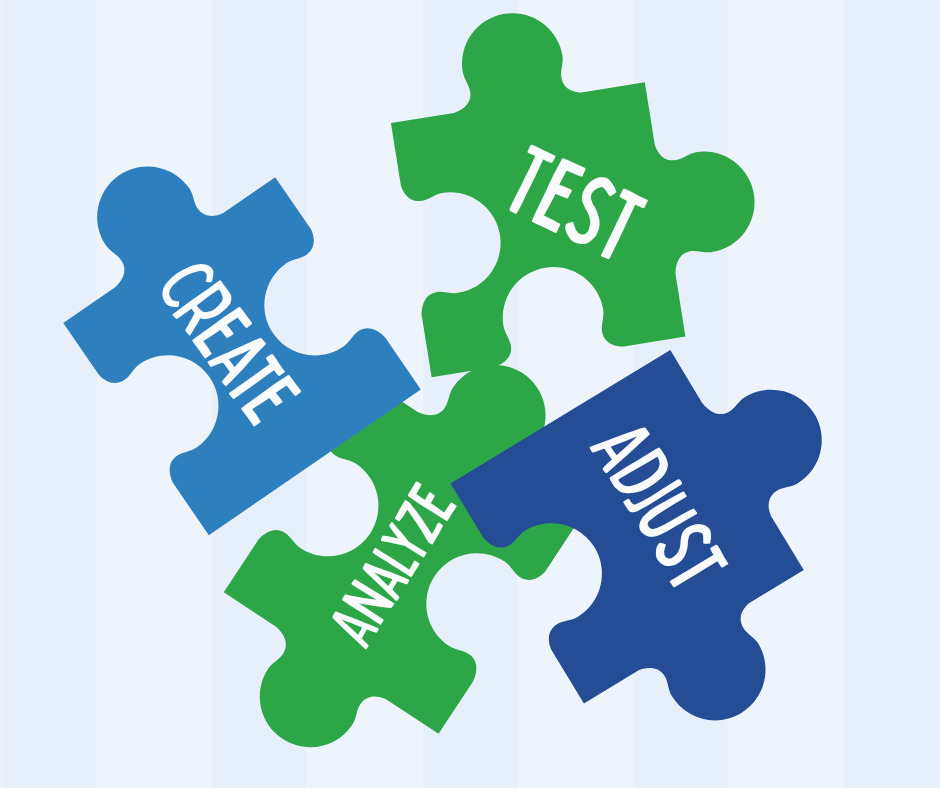
The most critical best practice is continuous monitoring and adjustment. Track performance across both paid and organic channels. Use insights to refine messaging, optimize spending, and identify what truly resonates. Strategy should evolve alongside performance.
Conclusion
The balance between paid media and organic posting is essential for reach, trust, and return on investment. Either approach alone can generate visibility. Together, they build connection, credibility, and lasting impact.
Paid and organic don’t just coexist; when aligned, they make your brand impossible to ignore.